



Gynaecological Cancer
Gynaecological cancer is a term used for cancers that arise from the female reproductive organs, including the ovaries, cervix, uterus, vulva, and vagina. It is a group of cancers that can affect women at any age, though they are most commonly diagnosed in women over 50. Dr. Saurabh Phadnis, based in London, emphasizes the importance of early detection, as it significantly increases the chances of successful treatment.

What is Gynaecological Cancer?
Gynaecological cancer refers to any cancer that arises from the female reproductive organs, including the ovaries, uterus, cervix, such as Cervix Cancer, vulva, and vagina.
It’s a term used to describe a group of cancers that can affect women at various stages of life, with early detection being critical to successful treatment and survival.

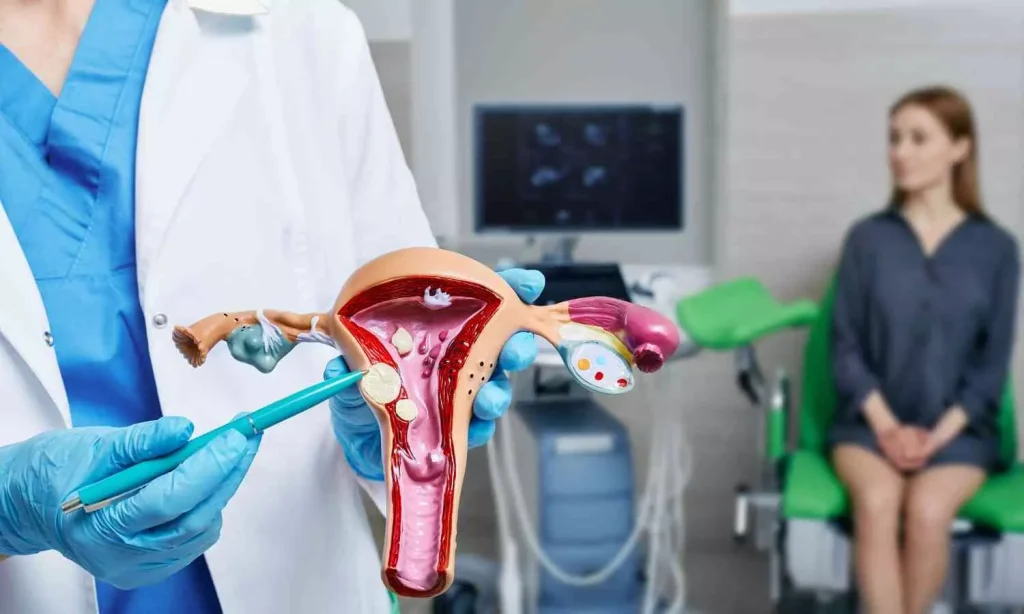
Types of Gynaecological Cancer
- Ovarian Cancer: Cancer that begins in the ovaries.
- Cervical Cancer: Cancer that starts in the cervix, often caused by the HPV virus.
- Uterine Cancer (Endometrial Cancer): Cancer that forms in the lining of the uterus.
- Vulvar Cancer: Cancer of the outer part of the female genitalia.
- Vaginal Cancer: Cancer that affects the vagina.
What Causes Gynaecological Cancer?
Genetic Factors
- Family History
- Genetic Mutations
Hormonal Factors
- Estrogen Exposure
- Age
- Infections
Lifestyle Factors
- Obesity and Diet
- Smoking

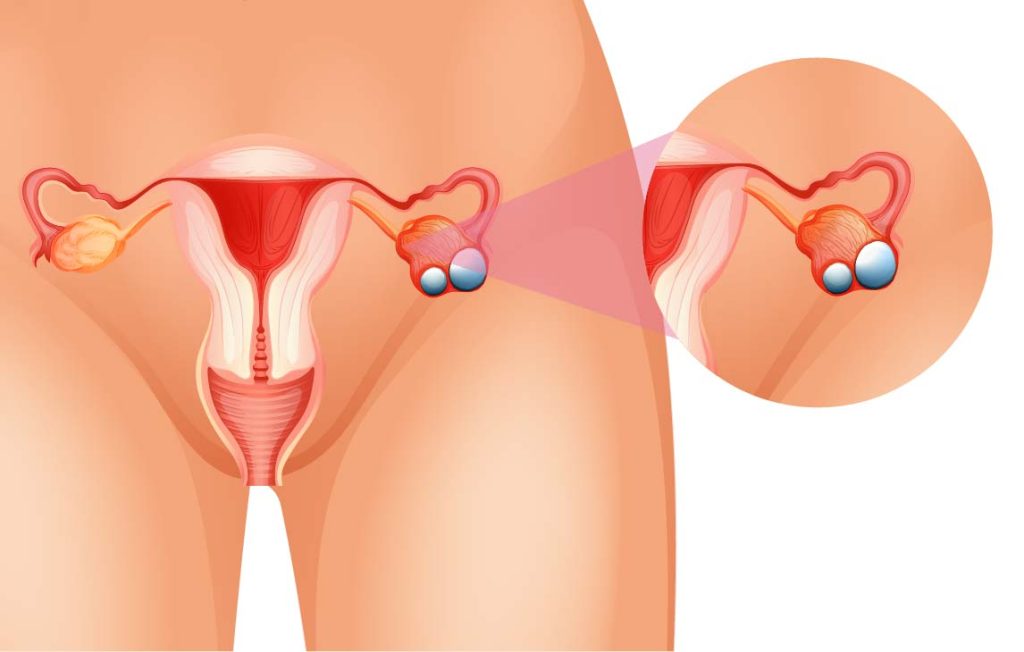
Symptoms of Gynaecological Cancer
Specific Symptoms by Cancer Type
- Ovarian Cancer:
- Persistent bloating or fullness
- Abdominal or pelvic pain
- Frequent urination or changes in bowel habits
Cervical Cancer:
- Abnormal vaginal bleeding (between periods or after intercourse)
- Unusual vaginal discharge (sometimes with a foul odour)
- Pelvic pain or pain during sex
Uterine (Endometrial) Cancer:
- Heavy or irregular bleeding, especially after menopause
- Pain or cramping in the pelvic area
- Unexplained weight loss
Vulvar Cancer:
- Itching, burning, or tenderness around the genital area
- Lumps or sores on the vulva
- Unusual vaginal discharge
How is Gynaecological Cancer Diagnosed?
Physical Examination
A pelvic exam allows the doctor to feel the ovaries for any abnormal growths or tenderness.
Imaging Tests
A pelvic ultrasound helps detect any cysts, tumours, or irregularities in the ovaries.
Pap Smear and HPV Testing
A Pap smear is a routine test for cervical cancer. It can detect abnormal cells in the cervix that may develop into cancer over time. HPV testing can also identify the presence of high-risk HPV strains that are linked to cervical cancer.
Biopsy
A biopsy involves taking a tissue sample from the ovaries to check for cancer cells under a microscope. This is typically done if a tumour is detected.
Blood Tests
: A blood test measuring the level of CA-125, a protein often elevated in Ovary Cancer patients.

Treatment Options for Gynaecological Cancer
Surgical Treatment
Surgery is often the first-line treatment for many types of gynaecological cancer. It involves removing the tumor or, in some cases, affected organs such as the uterus, ovaries, or cervix.
Chemotherapy
Chemotherapy uses drugs to kill cancer cells or stop them from growing.
Radiation Therapy
Radiation therapy involves high-energy rays to target and destroy cancer cells.
Targeted Therapy and Immunotherapy
Targeted therapy specifically targets cancer cells, limiting damage to surrounding healthy tissue.
Palliative Care
For advanced-stage cancer, palliative care focuses on managing symptoms and improving the patient’s quality of life.
Prevention of Gynaecological Cancer
HPV Vaccination
The HPV vaccine protects against the strains of the virus that cause the majority of cervical cancers.
Healthy Lifestyle
Maintaining a healthy weight, regular physical activity, and a balanced diet can reduce the risk of developing endometrial and ovarian cancers.
Regular Screenings
Regular Pap smears and HPV tests for cervical cancer can help detect abnormalities early, before they develop into cancer, and may also support early detection of related conditions, such as Fallopian Tube Cancer.
Genetic Testing
For women with a family history of gynaecological cancer, genetic testing (e.g., BRCA testing) can help assess the risk and guide preventative measures.
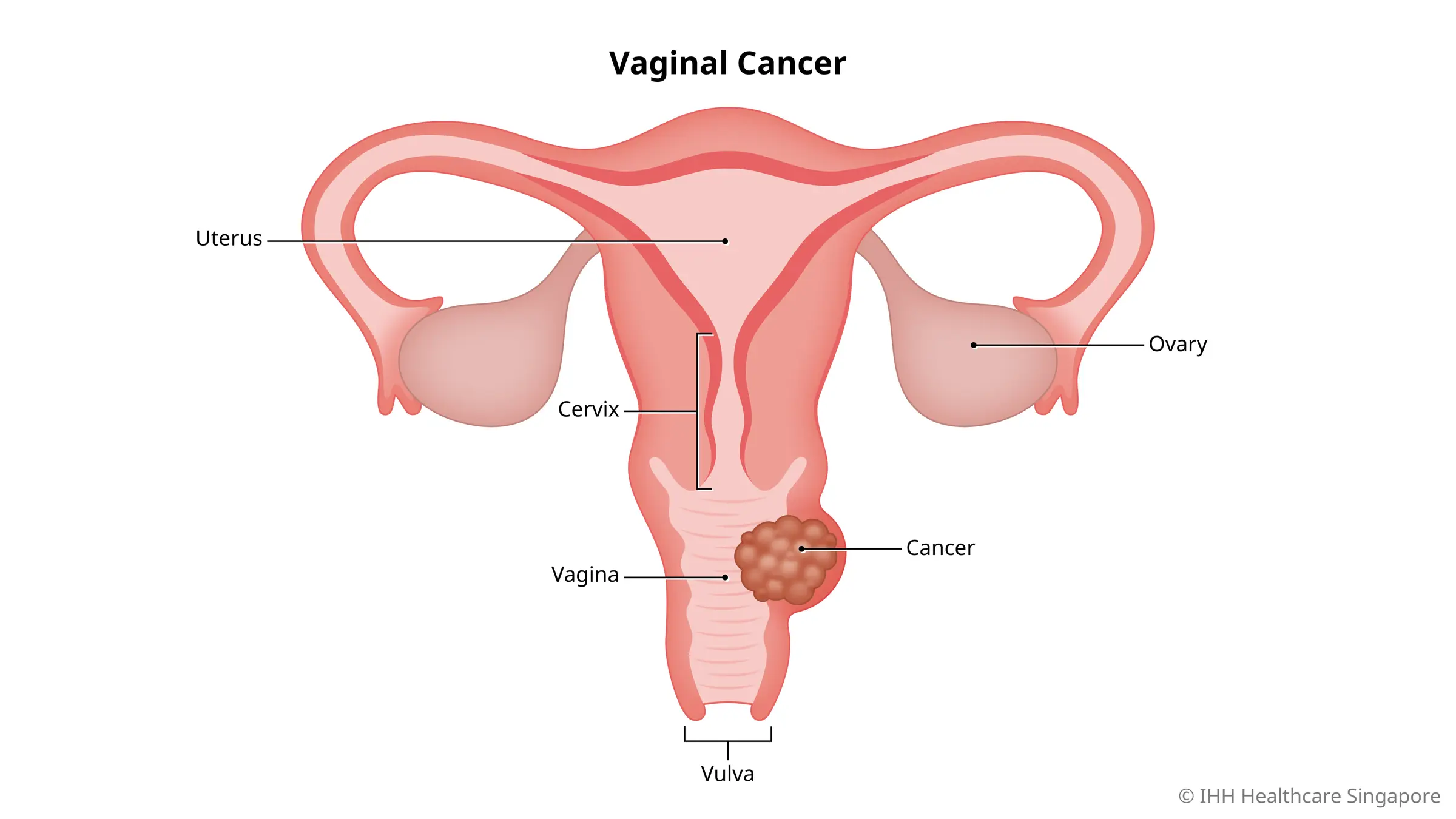
Make an Appointment for Gynaecological Cancer
If you’re concerned about Gynaecological Cancer, private consultations are available with Dr. Saurabh Phadnis, leading Gynaecologist, Oncologist, Surgeon, and Co-Lead Colposcopist based in London; specialising in gynaecological cancer. You can visit his clinic or call directly to book an appointment and receive expert care, advice, and personalised treatment.
Frequently Asked Questions (FAQs)
What is gynaecological cancer?
Gynaecological cancer refers to cancers that arise from affect the female reproductive organs, such as the ovaries, uterus, cervix, vulva, and vagina. Early detection is key to successful treatment.
What are the common symptoms of gynaecological cancer?
Common symptoms include abnormal bleeding, pelvic pain, bloating, and pain during intercourse. Specific symptoms depend on the type of cancer.
How is gynaecological cancer diagnosed?
Diagnosis involves a pelvic exam, imaging tests (like ultrasound and MRI), biopsies, Pap smears, and blood tests.
Can gynaecological cancer be prevented?
While not all gynaecological cancers can be prevented, vaccines (e.g., for HPV), regular screenings, and a healthy lifestyle can reduce the risk.
What are the treatment options for gynaecological cancer?
Treatment may include surgery, chemotherapy, radiation therapy, and targeted therapies. The choice depends on the cancer type and stage.
Practice Locations
Specialising in the field of gynaecological cancer, covering the entire spectrum from diagnosis to treatment and post-treatment care.
- 146 Harley Street, Marylebone W1G 7LD